“History, like love, is so apt to surround her heroes with an atmosphere of imaginary brightness.”
James Fenimore Cooper libro The Last of the Mohicans
Fuente: The Last of the Mohicans (1826), Ch. 18
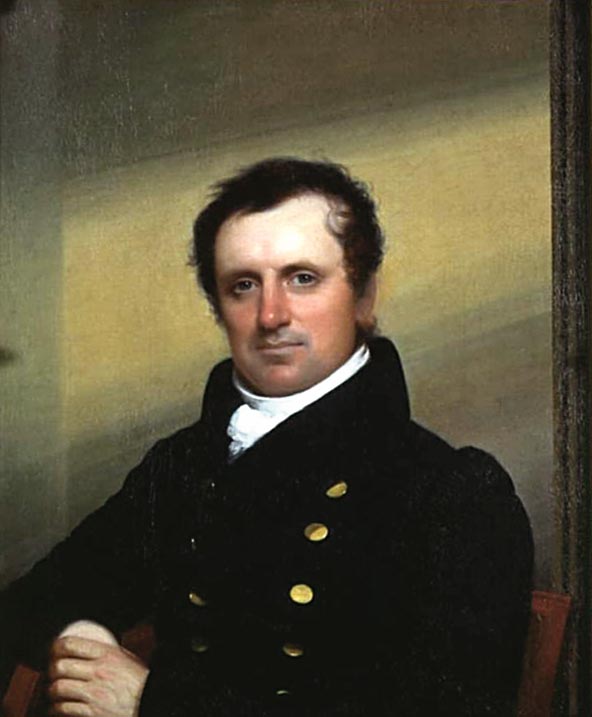
James Fenimore Cooper fue un novelista estadounidense. Escribió ocho novelas de aventuras, en las cuales relata la vida de los pioneros y sus enfrentamientos con los pieles rojas. Destacan Los pioneros , El último mohicano , La pradera , El trampero y El cazador de ciervos .[1] Vivió la mayor parte de su vida en Cooperstown, ciudad fundada por su padre, William Cooper sobre un terreno de su propiedad. Fenimore Cooper fue durante buena parte de su vida un miembro de la Iglesia Episcopal, contribuyendo con donaciones a su sostenimiento.
Si bien comenzó la Universidad, en Yale, en la que estuvo 3 años, fue expulsado de la misma por conducta inapropiada. Antes de iniciarse como escritor sirvió en la marina de los Estados Unidos como guardiamarina, lo cual tuvo una gran influencia posteriormente en su literatura.
Su primera gran novela que le daría cierto reconocimiento, El espía[2], ambientada en la Guerra de Independencia, relataba una historia de contra espionaje. Se publicó en 1821. Escribió asimismo mucha literatura ambientada en el mar, siendo sus obras más conocidas aquellas ambientadas en el periodo fronterizo, aquel en que se produjeron la mayor parte de los asentamientos en territorios habitados por indios nativos americanos. Estas 5 novelas se conocen como Leatherstocking Tales. Sus novelas acerca del mundo naval han sido bien recibidas por los historiadores, siendo a veces criticadas por sus contemporáneos. Su novela romántica El último mohicano es sin duda la mejor y más conocida de todas. Wikipedia
“History, like love, is so apt to surround her heroes with an atmosphere of imaginary brightness.”
James Fenimore Cooper libro The Last of the Mohicans
Fuente: The Last of the Mohicans (1826), Ch. 18
“tis hard to live in a world where all look upon you as below them.”
James Fenimore Cooper libro The Deerslayer
Fuente: The Deerslayer
James Fenimore Cooper libro The Pilot: A Tale of the Sea
The Pilot: A Tale of the Sea http://www.amazon.com/The-Pilot-A-Tale-Sea/dp/1490555811 (1829); Preface <br class="br">The Pilot: A Tale of the Sea (1823)
James Fenimore Cooper The Eclipse
The Eclipse (1869), conclusion
Journal kept by Cooper from January to May 1848
Correspondence of James Fenimore-Cooper (1922)
Fuente: Oak Openings or The bee-hunter (1848), Ch. XXI
Fuente: Oak Openings or The bee-hunter (1848), Ch. XI
“It is better for a man to die at peace with himself than to live haunted by an evil conscience.”
James Fenimore Cooper libro The Last of the Mohicans
The Last of the Mohicans (1826), Ch. 8
“Tis grand! 'tis solemn! 'tis an education of itself to look upon!”
James Fenimore Cooper libro The Deerslayer
The Deerslayer (1841), Ch. 6
A Letter to His Countrymen (1834)
The Lake Gun http://www.gutenberg.org/files/2328/2328-h/2328-h.htm (1851)
Preface
The Wing-and-Wing (1842)
The Sea Lions or The Lost Sealers (1849)
Journal kept by Cooper from January to May 1848
Correspondence of James Fenimore-Cooper (1922)
The Sea Lions or The Lost Sealers (1849)
James Fenimore Cooper libro The Last of the Mohicans
The Last of the Mohicans (1826), Introduction
Preface
Oak Openings or The bee-hunter (1848)
The Sea Lions or The Lost Sealers (1849)
Fuente: The Sea Lions or The Lost Sealers (1849), Ch. XII
Fuente: Oak Openings or The bee-hunter (1848), Ch. XVI
“Those families, you know, are our upper crust—not upper ten thousand.”
The Ways of the Hour (1850), Ch. 6
The Crater; or, Vulcan's Peak: A Tale of the Pacific http://www.gutenberg.org/files/11573/11573-h/11573-h.htm (1847), Ch. XXX
James Fenimore Cooper libro The Prairie
The Prairie (1827)
James Fenimore Cooper libro The Pilot: A Tale of the Sea
The Pilot: A Tale of the Sea (1824); Preface
The Pilot: A Tale of the Sea (1823)
“Chapter XXX, conclusion of the novel”
The Sea Lions or The Lost Sealers (1849)