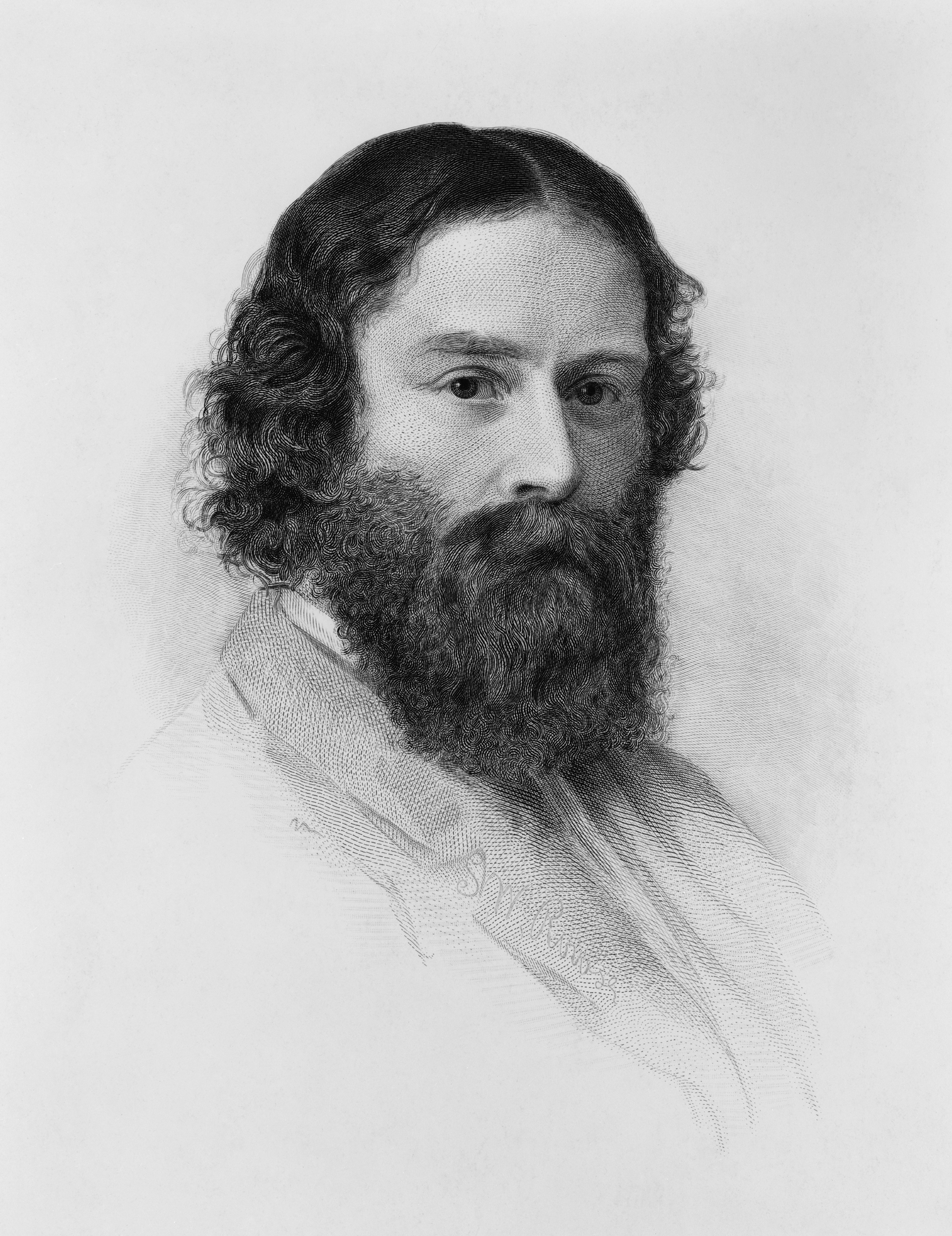
Frases célebres de James Russell Lowell
James Russell Lowell: Frases en inglés
Prelude to Pt. I, st. 4
The Vision of Sir Launfal (1848)
The Election in November 1860 (1860)
No. 6, st. 7
The Biglow Papers (1848–1866), Series I (1848)
“I don't believe in princerple,
But oh I du in interest.”
No. 6, st. 9
The Biglow Papers (1848–1866), Series I (1848)
In a Copy of Omar Khayyam.
Bartlett's Familiar Quotations, 10th ed. (1919)
Variante: These pearls of thought in Persian gulfs were bred,
Each softly lucent as a rounded moon;
The diver Omar plucked them from their bed,
FitzGerald strung them on an English thread.
“What a sense of security in an old book which Time has criticised for us!”
Variante: What a sense of security in an old book which Time has criticised for us!
Fuente: My Study Windows (1871), chapter "Library of Old Authors'".
“It is not the insurrections of ignorance that are dangerous, but the revolts of intelligence.”
Democracy and Other Addresses (1886)
St. 8. <br class="br"> Ode Recited at the Harvard Commemoration http://www.readbookonline.net/readOnLine/1169/ (July 21, 1865)
“Nature, they say, doth dote,
And cannot make a man
Save on some worn-out plan,
Repeating us by rote.”
St. 5. <br class="br"> Ode Recited at the Harvard Commemoration http://www.readbookonline.net/readOnLine/1169/ (July 21, 1865)
“Earth's biggest country 's gut her soul,
An' risen up earth's greatest nation.”
No. 7.
The Biglow Papers (1848–1866), Series II (1866)
On Democracy (6 October 1884)
Literary Essays, vol. II (1870–1890), New England Two Centuries Ago
Literary Essays, vol. II (1870–1890), New England Two Centuries Ago
“A marciful Providunce fashioned us holler
O' purpose thet we might our principles swaller.”
No. 4, st. 2.
The Biglow Papers (1848–1866), Series I (1848)
“His heart kep' goin' pity-pat,
But hern went pity-Zekle.”
The Courtin' .
The Biglow Papers (1848–1866), Series II (1866)
No. 1, st. 3
The Biglow Papers (1848–1866), Series I (1848)
On Democracy (6 October 1884)
The Changeling http://seacoastnh.com/poems/changeling2.html, st. 7 (1879)
“But John P.
Robinson, he
Sez they did n't know everythin' down in Judee.”
No. 3
The Biglow Papers (1848–1866), Series I (1848)
The First Snowfall http://www.bartleby.com/248/351.html, st. 1 (1849)
“The one thet fust gits mad 's 'most ollers wrong.”
No. 2.
The Biglow Papers (1848–1866), Series II (1866)
James Russell Lowell A Fable for Critics
Pt. I - Emerson, st. 1
A Fable for Critics (1848)
“Now the heart is so full that a drop overfills it;
We are happy now because God wills it.”
Prelude to Pt. I, st. 6
The Vision of Sir Launfal (1848)
"Chaucer," http://books.google.com/books?id=LOdNAAAAcAAJ&q=%22The+question+of+common+sense+is+always+what+is+it+good+for+a+question+which+would+abolish+the+rose+and+be+answered+triumphantly+by+the+cabbage%22&pg=PA185#v=onepage North American Review (July 1870) http://books.google.com/books?id=sAVaov3zePMC&q=%22The+question+of+common+sense+is+always+what+is+it+good+for+a+question+which+would+abolish+the+rose+and+be+answered+triumphantly+by+the+cabbage%22&pg=PA173#v=onepage <br class="br">My Study Windows (1871)
“For though he builds glorious temples, 'tis odd
He leaves never a doorway to get in a god.”
James Russell Lowell A Fable for Critics
A Fable for Critics (1848)
“She doeth little kindnesses
Which most leave undone, or despise.”
My Love. iv.
Bartlett's Familiar Quotations, 10th ed. (1919)
The Shepherd of King Admetus http://www.readbookonline.net/readOnLine/1170/, st. 5


