Robert M. Pirsig libro Zen y el arte del mantenimiento de la motocicleta
Zen and the Art of Motorcycle Maintenance: An Inquiry Into Values
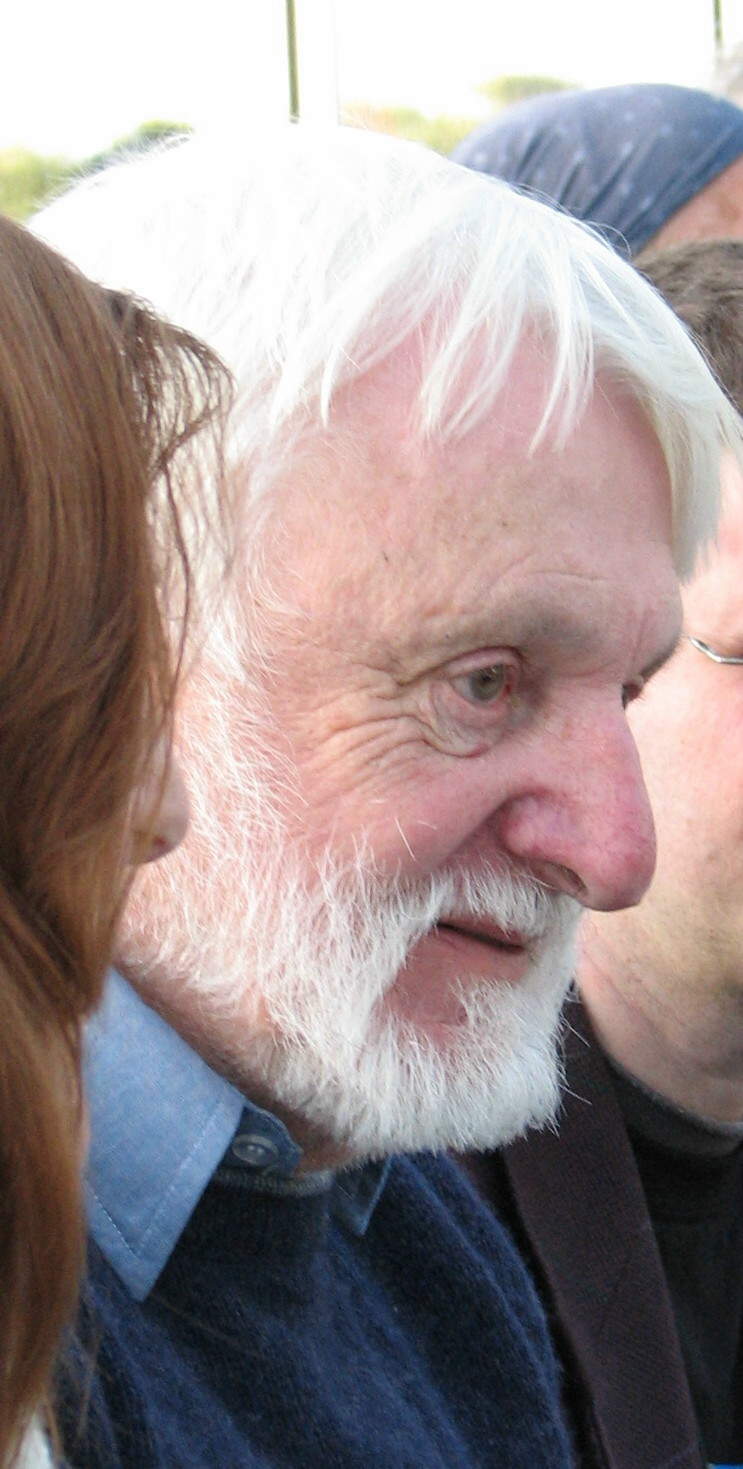
Robert Maynard Pirsig [1] fue un escritor estadounidense, famoso por su primer libro, Zen y el arte del mantenimiento de la motocicleta: Una indagación sobre los valores , donde esboza la filosofía de Pirsig sobre la metafísica de la calidad, en forma de historia principalmente autobiográfica relatando el viaje en motocicleta a través de América del Norte con su hijo, Chris. El libro sigue manteniendo su popularidad hoy en día. En 1974 recibió una Beca Guggenheim por su trabajo. Su continuación, Lila: Una indagación sobre la moral , ahonda en la exploración del pensamiento de Pirsig. Wikipedia
Robert M. Pirsig libro Zen y el arte del mantenimiento de la motocicleta
Zen and the Art of Motorcycle Maintenance: An Inquiry Into Values
Robert M. Pirsig libro Zen y el arte del mantenimiento de la motocicleta
Fuente: Zen and the Art of Motorcycle Maintenance (1974), Ch. 29
“The number of rational hypotheses that can explain any given phenomenon is infinite.”
Robert M. Pirsig libro Zen y el arte del mantenimiento de la motocicleta
Fuente: Zen and the Art of Motorcycle Maintenance (1974), Ch. 9; in Ch. 22 (see below) Pirsig recounts finding that Henri Poincaré had made a similar statement decades earlier.
Robert M. Pirsig libro Zen y el arte del mantenimiento de la motocicleta
Fuente: Zen and the Art of Motorcycle Maintenance (1974), Ch. 7
Robert M. Pirsig libro Zen y el arte del mantenimiento de la motocicleta
Fuente: Zen and the Art of Motorcycle Maintenance (1974), Ch. 28
Contexto: The mythos-over-logos argument points to the fact that each child is born as ignorant as any caveman. What keeps the world from reverting to the Neandertal with each generation is the continuing, ongoing mythos, transformed into logos but still mythos, the huge body of common knowledge that unites our minds as cells are united in the body of man. To feel that one is not so united, that one can accept or discard this mythos as one pleases, is not to understand what the mythos is.
Robert M. Pirsig libro Zen y el arte del mantenimiento de la motocicleta
Fuente: Zen and the Art of Motorcycle Maintenance (1974), Ch. 20
“All this is just an analogy.”
Robert M. Pirsig libro Zen y el arte del mantenimiento de la motocicleta
Fuente: Zen and the Art of Motorcycle Maintenance (1974), Ch. 30
Robert M. Pirsig libro Zen y el arte del mantenimiento de la motocicleta
Zen and the Art of Motorcycle Maintenance (1974), Afterword (1984)
Robert M. Pirsig libro Zen y el arte del mantenimiento de la motocicleta
Fuente: Zen and the Art of Motorcycle Maintenance (1974), Ch. 13
Robert M. Pirsig libro Zen y el arte del mantenimiento de la motocicleta
Fuente: Zen and the Art of Motorcycle Maintenance (1974), Ch. 22; the quote is from Poincaré's The Foundations of Science, ch. 12, "Optics and Electricity".
Robert M. Pirsig libro Zen y el arte del mantenimiento de la motocicleta
Fuente: Zen and the Art of Motorcycle Maintenance (1974), Ch. 8
Robert M. Pirsig libro Zen y el arte del mantenimiento de la motocicleta
Fuente: Zen and the Art of Motorcycle Maintenance (1974), Ch. 1
Robert M. Pirsig libro Zen y el arte del mantenimiento de la motocicleta
Fuente: Zen and the Art of Motorcycle Maintenance (1974), Ch. 29
Robert M. Pirsig libro Zen y el arte del mantenimiento de la motocicleta
These were the famous teachers of "wisdom," the Sophists of ancient Greece.
Fuente: Zen and the Art of Motorcycle Maintenance (1974), Ch. 29
Robert M. Pirsig libro Zen y el arte del mantenimiento de la motocicleta
Fuente: Zen and the Art of Motorcycle Maintenance (1974), Ch. 8
Robert M. Pirsig libro Zen y el arte del mantenimiento de la motocicleta
Fuente: Zen and the Art of Motorcycle Maintenance (1974), Ch. 29
Robert M. Pirsig libro Zen y el arte del mantenimiento de la motocicleta
Fuente: Zen and the Art of Motorcycle Maintenance (1974), Ch. 29
Robert M. Pirsig libro Zen y el arte del mantenimiento de la motocicleta
Fuente: Zen and the Art of Motorcycle Maintenance (1974), Ch. 20
Robert M. Pirsig libro Zen y el arte del mantenimiento de la motocicleta
Fuente: Zen and the Art of Motorcycle Maintenance (1974), Ch. 29
Robert M. Pirsig libro Zen y el arte del mantenimiento de la motocicleta
Fuente: Zen and the Art of Motorcycle Maintenance (1974), Ch. 30
Robert M. Pirsig libro Zen y el arte del mantenimiento de la motocicleta
In this dialogue he is carried away by Socrates' discourse on love and is tamed.
Fuente: Zen and the Art of Motorcycle Maintenance (1974), Ch. 30
Robert M. Pirsig libro Zen y el arte del mantenimiento de la motocicleta
Fuente: Zen and the Art of Motorcycle Maintenance (1974), Ch. 29
Robert M. Pirsig libro Zen y el arte del mantenimiento de la motocicleta
Fuente: Zen and the Art of Motorcycle Maintenance (1974), Ch. 29
Robert M. Pirsig libro Zen y el arte del mantenimiento de la motocicleta
Fuente: Zen and the Art of Motorcycle Maintenance (1974), Ch. 24
Robert M. Pirsig libro Lila: An Inquiry into Morals
Lila (1991)
Robert M. Pirsig libro Zen y el arte del mantenimiento de la motocicleta
Fuente: Zen and the Art of Motorcycle Maintenance (1974), Ch. 28
Robert M. Pirsig libro Zen y el arte del mantenimiento de la motocicleta
Fuente: Zen and the Art of Motorcycle Maintenance (1974), Ch. 29
Robert M. Pirsig libro Zen y el arte del mantenimiento de la motocicleta
To go outside the mythos is to become insane.
Fuente: Zen and the Art of Motorcycle Maintenance (1974), Ch. 28
“I am Phædrus, that is who I am, and they are going to destroy me for speaking the Truth.”
Robert M. Pirsig libro Zen y el arte del mantenimiento de la motocicleta
Fuente: Zen and the Art of Motorcycle Maintenance (1974), Ch. 31
“Art is anything you can do well. Anything you can do with Quality.”
NPR Interview http://www.npr.org/templates/story/story.php?storyId=4612364 with Pirsig (1974)
Robert M. Pirsig libro Zen y el arte del mantenimiento de la motocicleta
Fuente: Zen and the Art of Motorcycle Maintenance (1974), Ch. 30


