“The paths of glory lead but to the grave.”
Fuente: An Elegy Written In A Country Churchyard
Thomas Gray , fue un poeta inglés preromanticisto, erudito clásico y profesor de historia en la Universidad de Cambridge, uno de los poetas de cementerio.
Considerado uno de los hombres más eruditos de su época. Su poesía no es muy abundante, pero sí selecta.
Su obra más conocida es Elegía sobre un cementerio de aldea , que se cree que escribió en el cementerio de Stoke Poges, Buckinghamshire. Otras obras: El bardo y Progreso de la poesía. Wikipedia
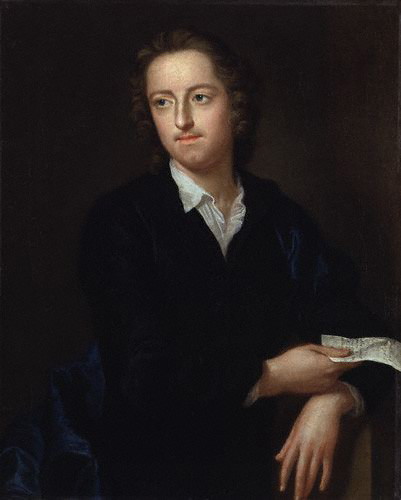
“The paths of glory lead but to the grave.”
Fuente: An Elegy Written In A Country Churchyard
“Forbade to wade through slaughter to a throne,
And shut the gates of mercy on mankind.”
St. 17 <br class="br"> Elegy Written in a Country Churchyard http://www.thomasgray.org/cgi-bin/display.cgi?text=elcc (written 1750, publ. 1751)
St. 19 <br class="br"> Elegy Written in a Country Churchyard http://www.thomasgray.org/cgi-bin/display.cgi?textelcc (written 1750, publ. 1751)
St. 14 <br class="br"> Elegy Written in a Country Churchyard http://www.thomasgray.org/cgi-bin/display.cgi?text=elcc (written 1750, publ. 1751) <br class="br">Fuente: An Elegy Written In A Country Churchyard
III. 3, Line 2 <br class="br"> The Progress of Poesy http://www.thomasgray.org/cgi-bin/display.cgi?textpppo (1754) <br class="br">Fuente: Selected Poems
St. 10 <br class="br"> Ode on a Distant Prospect of Eton College http://www.thomasgray.org/cgi-bin/display.cgi?text=odec (written 1742–1750)
Fuente: Ode on the Pleasure Arising from Vicissitude http://www.thomasgray.org/cgi-bin/display.cgi?text=oopv (1754), Line 35
St. 13 <br class="br"> Elegy Written in a Country Churchyard http://www.thomasgray.org/cgi-bin/display.cgi?text=elcc (written 1750, publ. 1751)
St. 9 <br class="br"> Elegy Written in a Country Churchyard http://www.thomasgray.org/cgi-bin/display.cgi?text=elcc (written 1750, publ. 1751)
“While bright-eyed Science watches round.”
Ode for Music http://www.thomasgray.org/cgi-bin/display.cgi?text=ocmu (1769), Chorus, line 3
“Rich windows that exclude the light,
And passages that lead to nothing.”
A Long Story; reported in Bartlett's Familiar Quotations, 10th ed. (1919)
“Dear, as the light that visits these sad eyes;
Dear, as the ruddy drops that warm my heart.”
Thomas Gray The Bard
I. 3. lines 39-40
The Bard (1757)
II. 2, Line 10 <br class="br"> The Progress of Poesy http://www.thomasgray.org/cgi-bin/display.cgi?text=pppo (1754)
“E'en from the tomb the voice of Nature cries,
E'en in our Ashes live their wonted Fires.”
St. 23 <br class="br"> Elegy Written in a Country Churchyard http://www.thomasgray.org/cgi-bin/display.cgi?text=elcc (written 1750, publ. 1751)
“Now my weary lips I close;
Leave me, leave me to repose!”
Descent of Odin http://www.thomasgray.org/cgi-bin/display.cgi?text=dooo, Line 71 (1761)
“Beyond the limits of a vulgar fate,
Beneath the good how far,—but far above the great.”
III. 3, Line 16 <br class="br"> The Progress of Poesy http://www.thomasgray.org/cgi-bin/display.cgi?text=pppo (1754)
St. 1 <br class="br"> Elegy Written in a Country Churchyard http://www.thomasgray.org/cgi-bin/display.cgi?text=elcc (written 1750, publ. 1751)
“From Helicon's harmonious springs
A thousand rills their mazy progress take.”
I. 1, Line 3 <br class="br"> The Progress of Poesy http://www.thomasgray.org/cgi-bin/display.cgi?text=pppo (1754)
“Hands, that the rod of empire might have swayed,
Or waked to ecstasy the living lyre.”
St. 12 <br class="br"> Elegy Written in a Country Churchyard http://www.thomasgray.org/cgi-bin/display.cgi?text=elcc (written 1750, publ. 1751)
The Epitaph, St. 3 <br class="br"> Elegy Written in a Country Churchyard http://www.thomasgray.org/cgi-bin/display.cgi?text=elcc (written 1750, publ. 1751) <br class="br">Variante: No farther seek his merits to disclose, <br> Or draw his frailties from their dread abode, <br> (There they alike in trembling hope repose,) <br> The bosom of his Father and his God.
St. 6 <br class="br"> Ode on a Distant Prospect of Eton College http://www.thomasgray.org/cgi-bin/display.cgi?text=odec (written 1742–1750)
St. 5 <br class="br"> Ode on a Distant Prospect of Eton College http://www.thomasgray.org/cgi-bin/display.cgi?text=odec (written 1742–1750)
“Ye towers of Julius, London's lasting shame,
With many a foul and midnight murder fed.”
Thomas Gray The Bard
II. 3. lines 87-88
The Bard (1757)
III. 2, Line 4 <br class="br"> The Progress of Poesy http://www.thomasgray.org/cgi-bin/display.cgi?text=pppo (1754)
Fuente: Ode on the Pleasure Arising from Vicissitude http://www.thomasgray.org/cgi-bin/display.cgi?text=oopv (1754), Line 41
“Or ope the sacred source of sympathetic tears.”
III. 1, Line 12 <br class="br"> The Progress of Poesy http://www.thomasgray.org/cgi-bin/display.cgi?text=pppo (1754)
St. 16 <br class="br"> Elegy Written in a Country Churchyard http://www.thomasgray.org/cgi-bin/display.cgi?text=elcc (written 1750, publ. 1751)