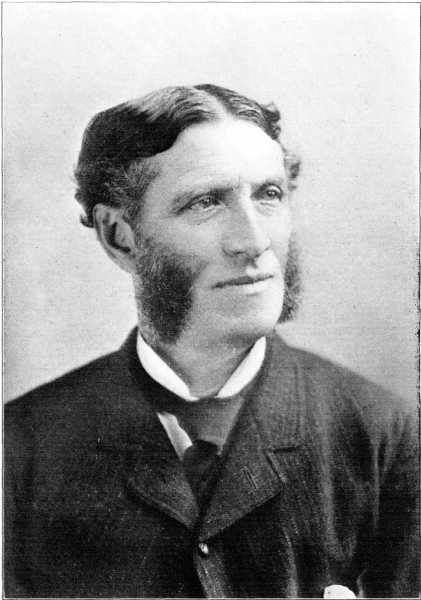
Frases célebres de Matthew Arnold
“Y entre nosotros uno, quien más ha sufrido, desalienta. Su asiento sobre el trono intelectual.”
Capítulo 19
The Scholar Gypsy (1853)
Fuente: [Matthew] (1996).
“El destino tiene, lo que Chance no controlará, su triste lucidez de alma.”
Fuente: [Matthew] (2012).
Fuente: Resignation (1849), p. 197
“Cavernas llenas de arena, frescas y profundas. Donde los vientos estan dormidos.”
Capítulo 3
The Forsaken Merman (1849)
Fuente: [Matthew] (1998).
Capítulo 7
The Forsaken Merman (1849)
Fuente: [Matthew] (1998).
“Pero ellos, creedme, que os esperan. No hay regalos de Chance, has conquistado el destino.”
Fuente: [Matthew] (2012).
Fuente: Resignation (1849), p. 215
“Goethe en Weimar duerme, y Grecia, hace mucho tiempo, vio cesar la lucha de Byron.”
Capítulo 1
Memorial Verses (1852)
Fuente: [Matthew] (2012).
Matthew Arnold: Frases en inglés
Matthew Arnold Thyrsis
St. 18
Thyrsis (1866)
"To a Friend" http://www.poetry-online.org/arnold_to_a_friend.htm (1849), line 1
The Functions of Criticism at the Present Time (1864)
"Shakespeare" (1849)
“Let the long contention cease!
Geese are swans, and swans are geese.”
Matthew Arnold The Last Word
St. 2
The Last Word (1867)
“How fair a lot to fill
Is left to each man still.”
"A Summer Night," Poems: Second Series, (1855), last stanza http://books.google.com/books?id=IzpcAAAAcAAJ&q=%22How+fair+a+lot+to+fill+Is+left+to+each+man+still%22&pg=PA210#v=onepage
Heinrich Heine, p. 144
Essays in Criticism (1865)
Matthew Arnold On Translating Homer
On Translating Homer (1861)
"To Marguerite, in Returning a Volume of the Letters of Ortis" (1852), stanza 1
Matthew Arnold libro Empedocles on Etna
Act I, sc. ii
Empedocles on Etna (1852)
“With women the heart argues, not the mind.”
"Merope" (1858), line 341
Matthew Arnold libro Culture and Anarchy
Preface
Culture and Anarchy (1869)
“The men of culture are the true apostles of equality.”
Matthew Arnold libro Culture and Anarchy
Fuente: Culture and Anarchy (1869), Ch. I, Sweetness and Light
The Functions of Criticism at the Present Time (1864)
“I am past thirty, and three parts iced over.”
Letter to Arthur Hugh Clough (12 February 1853)
“A beautiful and ineffectual angel, beating in the void his luminous wings in vain.”
On Percy Bysshe Shelley, Byron
Essays in Criticism, second series (1888)
Joseph Butler, Human Nature and Other Sermons, "Sermon VII" as quoted in Arnold's "St. Paul and Protestantism" (1870).
Misattributed
" Shakespeare http://classiclit.about.com/library/bl-etexts/marnold/bl-marn-shakes.htm" (1849, st. 1)


