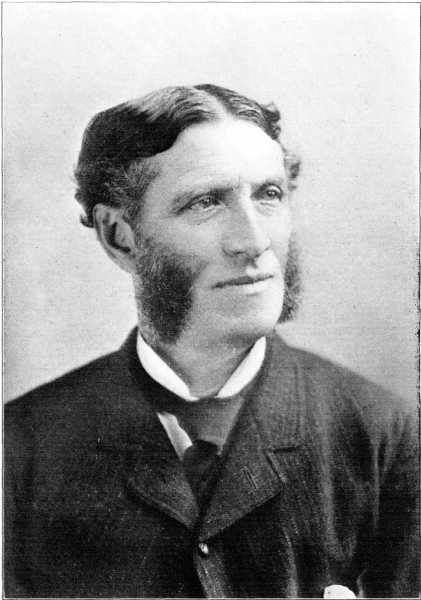
Frases célebres de Matthew Arnold
“Y entre nosotros uno, quien más ha sufrido, desalienta. Su asiento sobre el trono intelectual.”
Capítulo 19
The Scholar Gypsy (1853)
Fuente: [Matthew] (1996).
“El destino tiene, lo que Chance no controlará, su triste lucidez de alma.”
Fuente: [Matthew] (2012).
Fuente: Resignation (1849), p. 197
“Cavernas llenas de arena, frescas y profundas. Donde los vientos estan dormidos.”
Capítulo 3
The Forsaken Merman (1849)
Fuente: [Matthew] (1998).
Capítulo 7
The Forsaken Merman (1849)
Fuente: [Matthew] (1998).
“Pero ellos, creedme, que os esperan. No hay regalos de Chance, has conquistado el destino.”
Fuente: [Matthew] (2012).
Fuente: Resignation (1849), p. 215
“Goethe en Weimar duerme, y Grecia, hace mucho tiempo, vio cesar la lucha de Byron.”
Capítulo 1
Memorial Verses (1852)
Fuente: [Matthew] (2012).
Matthew Arnold: Frases en inglés
Diary entry for the day he died (15 April 1888); from Ecclesiasticus, xxxviii
Matthew Arnold's Notebooks (1902)
The Functions of Criticism at the Present Time (1864)
G.W.E. Russell, Collections and Recollections, ch. XIV, Harper & brothers, 1898, p. 136 https://archive.org/details/collectionsandr02russgoog/page/n152. Russell states that was said to him by Arnold himself.
Attributed
“Hear it, O Thyrsis, still our tree is there!”
Ah, vain! These English fields, this upland dim,
These brambles pale with mist engarlanded,
That lone, sky-pointing tree, are not for him;
To a boon southern country he is fled,
And now in happier air,
Wandering with the great Mother’s train divine
(And purer or more subtle soul than thee,
I trow, the mighty Mother doth not see)
Within a folding of the Apennine.
St. 18
Thyrsis (1866)
nearer, perhaps, than all the science of Tübingen. Adorable dreamer, whose heart has been so romantic who hast given thyself so prodigally, given thyself to sides and to heroes not mine, only never to the Philistines! home of lost causes, and forsaken beliefs, and unpopular names, and impossible loyalties!
Preface to the Second Edition (1869)
Essays in Criticism (1865)
“The power of the Latin classic is in character, that of the Greek is in beauty.”
Now character is capable of being taught, learnt, and assimilated: beauty hardly.
"Schools and Universities on the Continent" (1868)
Stanzas from the Grande Chartreuse (1855)
Stanzas from the Grande Chartreuse (1855)
Better so! </p><p> All pains the immortal spirit must endure,
All weakness which impairs, all griefs which bow,
Find their sole speech in that victorious brow.</p>
"Shakespeare" (1849)


