“All men have an equal disposition for understanding.”
Fuente: De l'esprit or, Essays on the Mind, and Its Several Faculties (1758), p. 286
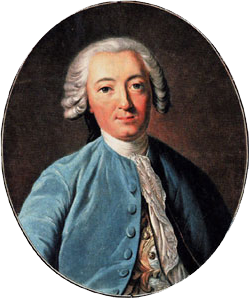
Claude-Adrien Helvétius fue un filósofo francés cuyo verdadero nombre fue Claudio Adrián Schweitzer. Comparte el sobrenombre "Helvétius" con su abuelo, el célebre alquimista Johann Friedrich Schweitzer , si bien ha sido frecuentemente castellanizado y transcrito como "Helvecio".[2] Wikipedia
“All men have an equal disposition for understanding.”
Fuente: De l'esprit or, Essays on the Mind, and Its Several Faculties (1758), p. 286
De l'esprit or, Essays on the Mind, and Its Several Faculties (1758)
Contexto: Discipline is, in a manner, nothing else but the art of inspiring the soldiers with greater fear of their officers than of the enemy. This fear has often the effect of courage: but it cannot prevail against the fierce and obstinate valor of people animated by fanaticism, or warm love of their country.
Essay II, Chapter X, note.
De l'esprit or, Essays on the Mind, and Its Several Faculties (1758)
“No nation has reason to regard itself superior to others by virtue of its innate endowment.”
Fuente: De l'esprit or, Essays on the Mind, and Its Several Faculties (1758), p. 21
En anéantissant les désirs, on anéantit l'âme, & tout homme sans passion n'a en lui ni principe d'action, ni motif pour se mouvoir.
A Treatise on Man: His Intellectual Faculties & His Education, Vol. I (1773)
La plupart des évènements ont des causes aussi petites. Nous les ignorons, parce que la plupart des historiens les ont ignorées eux-mêmes, ou parce qu’ils n’ont pas eu d’yeux pour les appercevoir. Il est vrai qu’à cet égard l’esprit peut réparer leurs omissions : la connoissance de certains principes supplée facilement à la connoissance de certains faits.
Essay III, Chapter I
De l'esprit or, Essays on the Mind, and Its Several Faculties (1758)
A Treatise on Man: His Intellectual Faculties & His Education, Vol. I (1773)
De l'esprit or, Essays on the Mind, and Its Several Faculties (1758)


