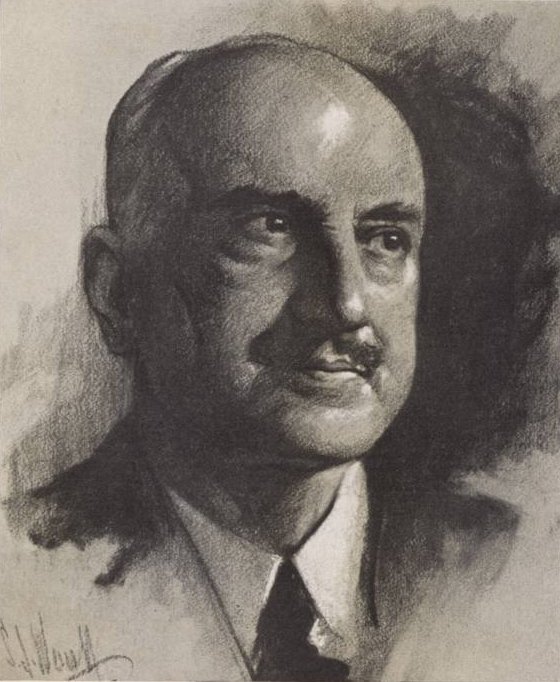
George Santayana: 122 citas2 Me gusta
Frases célebres de George Santayana
“Aquellos que no pueden recordar el pasado están condenados a repetirlo.”
La Vida de la Razón, Volumen 1: La razón en el Sentido Común, 1905.
George Santayana Frases y Citas
Esta traducción está esperando su revisión. ¿Es correcto?
George Santayana: Frases en inglés
Introduction to The Ethics of Spinoza (1910)
Fuente: The Life of Reason: The Phases of Human Progress (1905-1906), Vol. II, Reason in Society, Ch. VIII: Ideal Society
The Life of Reason: The Phases of Human Progress (1905-1906), Vol. I, Reason in Common Sense
"Materialism and Idealism" p. 175 ( Hathi Trust http://hdl.handle.net/2027/uc1.b3923968?urlappend=%3Bseq=191) <br class="br">Character and Opinion in the United States (1920)
Interpretations of Poetry and Religion (1900), p. 251
Other works
“Every moment celebrates obsequies over the virtues of its predecessor.”
Fuente: The Life of Reason: The Phases of Human Progress (1905-1906), Vol. III, Reason in Religion, Ch. XIV
“Eternal vigilance is the price of knowledge.”
Fuente: The Genteel Tradition in American Philosophy (1911), p. 58
The Life of Reason: The Phases of Human Progress (1905-1906), Vol. I, Reason in Common Sense
The Life of Reason: The Phases of Human Progress (1905-1906), Vol. II, Reason in Society
Fuente: The Life of Reason: The Phases of Human Progress (1905-1906), Vol. II, Reason in Society, Ch. V: Democracy
John Herman Randall, "The Nature of Naturalism", epilogue to Naturalism and the Human Spirit (1944)
Misattributed
Fuente: Winds of Doctrine: Studies in Contemporary Opinion (1913), p. 199
“The idea of Christ is much older than Christianity.”
The Idea of Christ in the Gospels (1946)
Other works
"The Irony of Liberalism"
Soliloquies in England and Later Soliloquies (1922)
“England is the paradise of individuality, eccentricity, heresy, anomalies, hobbies, and humors.”
"The British Character"
Soliloquies in England and Later Soliloquies (1922)
"The Irony of Liberalism"
Soliloquies in England and Later Soliloquies (1922)
“The soul, too, has her virginity and must bleed a little before bearing fruit.”
"Normal Madness," Ch. 3, P. 56 http://books.google.com/books?id=apSwAAAAIAAJ&q=%22The+soul+too+has+her+virginity+and+must+bleed+a+little+before+bearing+fruit%22&pg=PA56#v=onepage <br class="br">Dialogues in Limbo (1926)
George Santayana libro Scepticism and Animal Faith
"Objections to Belief in Substance", p. 201
Scepticism and Animal Faith (1923)
“Art like life should be free, since both are experimental.”
The Life of Reason: The Phases of Human Progress (1905-1906), Vol. IV, Reason in Art
“When men and women agree, it is only in their conclusions; their reasons are always different.”
Ch. VI: Free Society http://books.google.com/books?id=ICAsAAAAYAAJ&q=%22When+men+and+women+agree+it+is+only+in+their+conclusions+their+reasons+are+always+different%22&pg=PA148#v=onepage <br class="br">The Life of Reason: The Phases of Human Progress (1905-1906), Vol. II, Reason in Society
Giorgio de Santillana (1902-1974) The Crime of Galileo http://books.google.com/books?id=34uQ6tlYHRgC&q=%22The+working+of+great+administrations+is+mainly+the+result+of+a+vast+mass+of+routine+petty+malice+self-interest+carelessness+and+sheer+mistake+Only+a+residual+fraction+is+thought%22&pg=PA290#v=onepage (1958) <br class="br">Many sources mistakenly attribute this quote to Santayana, and one http://books.google.com/books?id=e4tzpkw4caAC&q=%22The+working+of+great+institutions+is+mainly+the+result+of+a+vast+mass+of+routine+petty+malice+self-interest+carelessness+and+sheer+mistake+Only+a+residual+fraction+is+thought%22&pg=PA283#v=onepage even identifies the correct book, without realizing that George Santayana and Giorgio de Santillana are two different people <br class="br">Misattributed
“The truth is cruel, but it can be loved, and it makes free those who have loved it.”
Fuente: Little Essays (1921), p. 107
“To call war the soil of courage and virtue is like calling debauchery the soil of love.”
Fuente: The Life of Reason: The Phases of Human Progress (1905-1906), Vol. II, Reason in Society, Ch. III: Industry, Government, and War
“The young man who has not wept is a savage, and the old man who will not laugh is a fool.”
Fuente: Dialogues in Limbo (1926), Ch. 3, P. 57
“Never since the heroic days of Greece has the world had such a sweet, just, boyish master.”
"The British Character"
Soliloquies in England and Later Soliloquies (1922)


