Herman Melville libro Moby Dick
Fuente: Moby-Dick. Cap. «El funeral», 1851.
Herman Melville fue un escritor estadounidense que además de novela y cuento escribió ensayo y poesía.
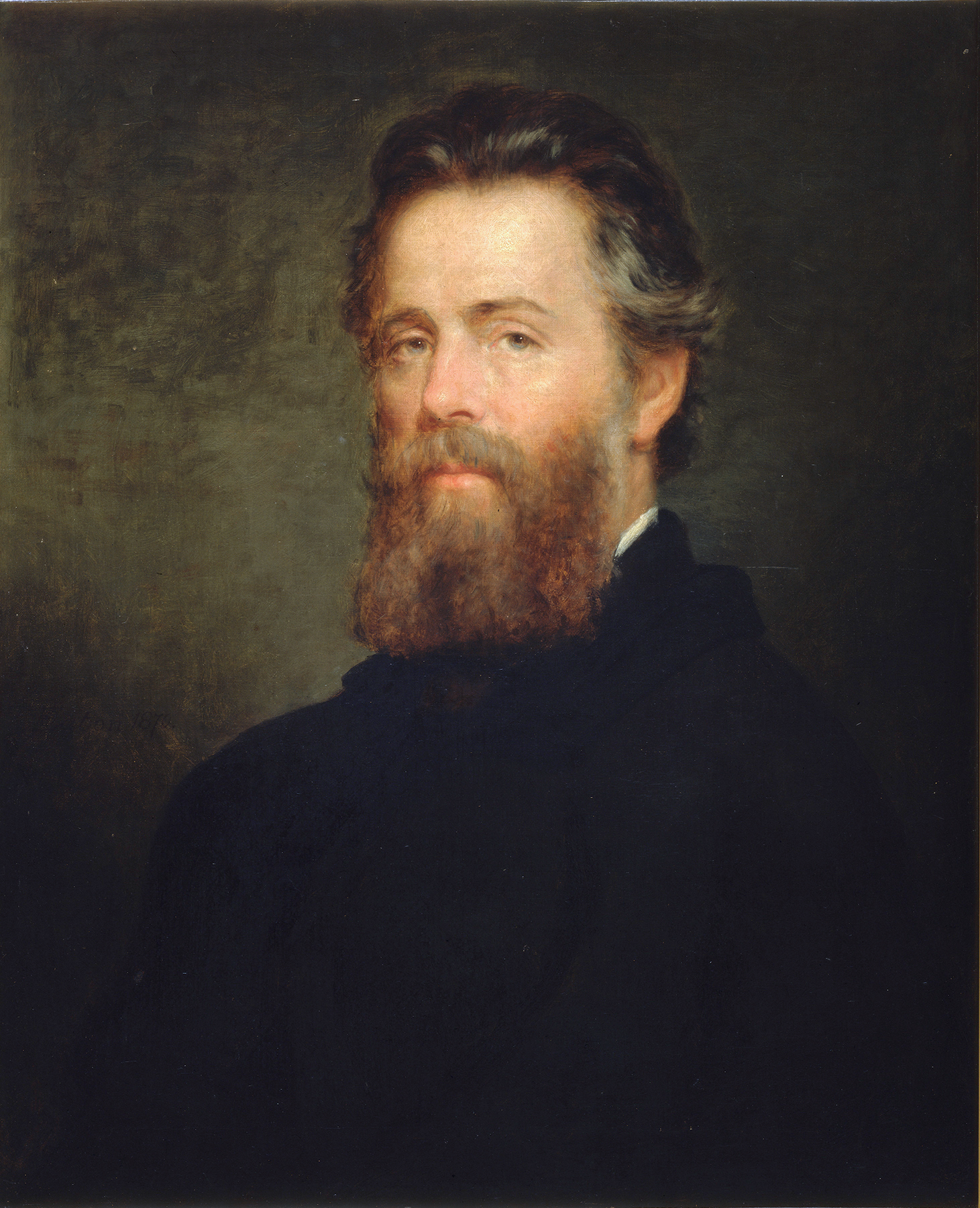
Herman Melville libro Moby Dick
Fuente: Moby-Dick. Cap. «El funeral», 1851.
Herman Melville libro Moby Dick
Fuente: Moby-Dick. Cap. «El doblón», 1851.
Herman Melville libro Moby Dick
Fuente: Moby-Dick. Cap. «El abogado», 1851.
Herman Melville libro Moby Dick
Moby Dick
Herman Melville libro Moby Dick
Fuente: Moby-Dick. Cap. «La hiena», 1851.
Herman Melville libro Moby Dick
Moby-Dick or, The Whale
Herman Melville libro Moby Dick
Moby Dick
Herman Melville libro Moby Dick
Fuente: Moby-Dick, 1851 (primera frase de la novela).
Herman Melville libro Moby Dick
Moby-Dick or, The Whale
“Existen empresas en las cuales el verdadero método lo constituyen un cierto y cuidadoso desorden.”
Herman Melville libro Moby Dick
Fuente: Moby-Dick. Cap. «La gloria y el honor de las pesquerías de ballenas», 1851.
Herman Melville libro Moby Dick
Fuente: Moby-Dick. Cap. «¿Disminuye la magnitud de la ballena? ¿Está condenada a desaparecer?», 1851.
Herman Melville libro Moby Dick
Fuente: Moby-Dick. Cap. «Espejismos», 1851.
Herman Melville libro Moby Dick
Fuente: Moby-Dick. Cap. «Nantucket», 1851.
Herman Melville libro Moby Dick
Fuente: Moby-Dick. Cap. «El alcázar», 1851.
Herman Melville libro Moby Dick
Moby Dick
Herman Melville libro Moby Dick
Moby Dick
“We cannibals must help these Christians.”
Fuente: Moby-Dick or, The Whale
“The Past is the textbook of tyrants; the Future is the Bible of the Free.”
Herman Melville libro White-Jacket
Fuente: White-Jacket
Herman Melville libro The Encantadas
Sketch Eighth
The Encantadas (1854)
Herman Melville libro White-Jacket
Fuente: White-Jacket (1850), Ch. 19
On the Slain Collegians, st. 1
Battle Pieces: And Aspects of the War (1860)
Herman Melville libro White-Jacket
This has often been quoted with modernized American spelling, rendering it "to civilize civilization and christianize Christendom?"
Fuente: White-Jacket (1850), Ch. 64
Hawthorne and His Mosses (1850)
“The drama's done. Why then here does any one step forth? — Because one did survive the wreck.”
Epilogue
Moby-Dick: or, the Whale (1851)
On the Slain Collegians, st. 2
Battle Pieces: And Aspects of the War (1860)
Hawthorne and His Mosses (1850)
Herman Melville libro Pierre: or, The Ambiguities
Bk. III, ch. 1
Pierre: or, The Ambiguities (1852)
Fuente: Moby-Dick: or, the Whale (1851), Ch. 29 : Enter Ahab; to Him, Stubb
Herman Melville libro Billy Budd, Sailor
Fuente: Billy Budd, the Sailor (1891), Ch. 23
Herman Melville libro White-Jacket
Fuente: White-Jacket (1850), Ch. 67
Herman Melville libro Pierre: or, The Ambiguities
Bk. XXV, ch. 3
Pierre: or, The Ambiguities (1852)
“Struck dead by an angel of God! Yet the angel must hang!”
Herman Melville libro Billy Budd, Sailor
Fuente: Billy Budd, the Sailor (1891), Ch. 19
“"At present I would prefer not to be a little reasonable," was his mildly cadaverous reply.”
Herman Melville libro Bartleby, the Scrivener
Bartleby, the Scrivener (1853)
Timoleon http://digitalcommons.unl.edu/cgi/viewcontent.cgi?article=1018&context=libraryscience, Art (1891)
Supplement
Battle Pieces: And Aspects of the War (1860)
Herman Melville libro Billy Budd, Sailor
Fuente: Billy Budd, the Sailor (1891), Ch. 25
Herman Melville libro Pierre: or, The Ambiguities
Bk. IV
Pierre: or, The Ambiguities (1852)
The Armies of the Wilderness, Pt. II, st. 5
Battle Pieces: And Aspects of the War (1860)
Herman Melville libro White-Jacket
Fuente: White-Jacket (1850), Ch. 36
Herman Melville libro Bartleby, the Scrivener
Bartleby, the Scrivener (1853)
Letter to Nathaniel Hawthorne (June 1, 1851).
Herman Melville libro Pierre: or, The Ambiguities
Bk. XXV, ch. 3
Pierre: or, The Ambiguities (1852)
Supplement
Battle Pieces: And Aspects of the War (1860)
Herman Melville libro Billy Budd, Sailor
Fuente: Billy Budd, the Sailor (1891), Ch. 30, Billy in the Darbies


