Herman Melville libro Moby Dick
Fuente: Moby-Dick. Cap. «El funeral», 1851.
Herman Melville fue un escritor estadounidense que además de novela y cuento escribió ensayo y poesía.
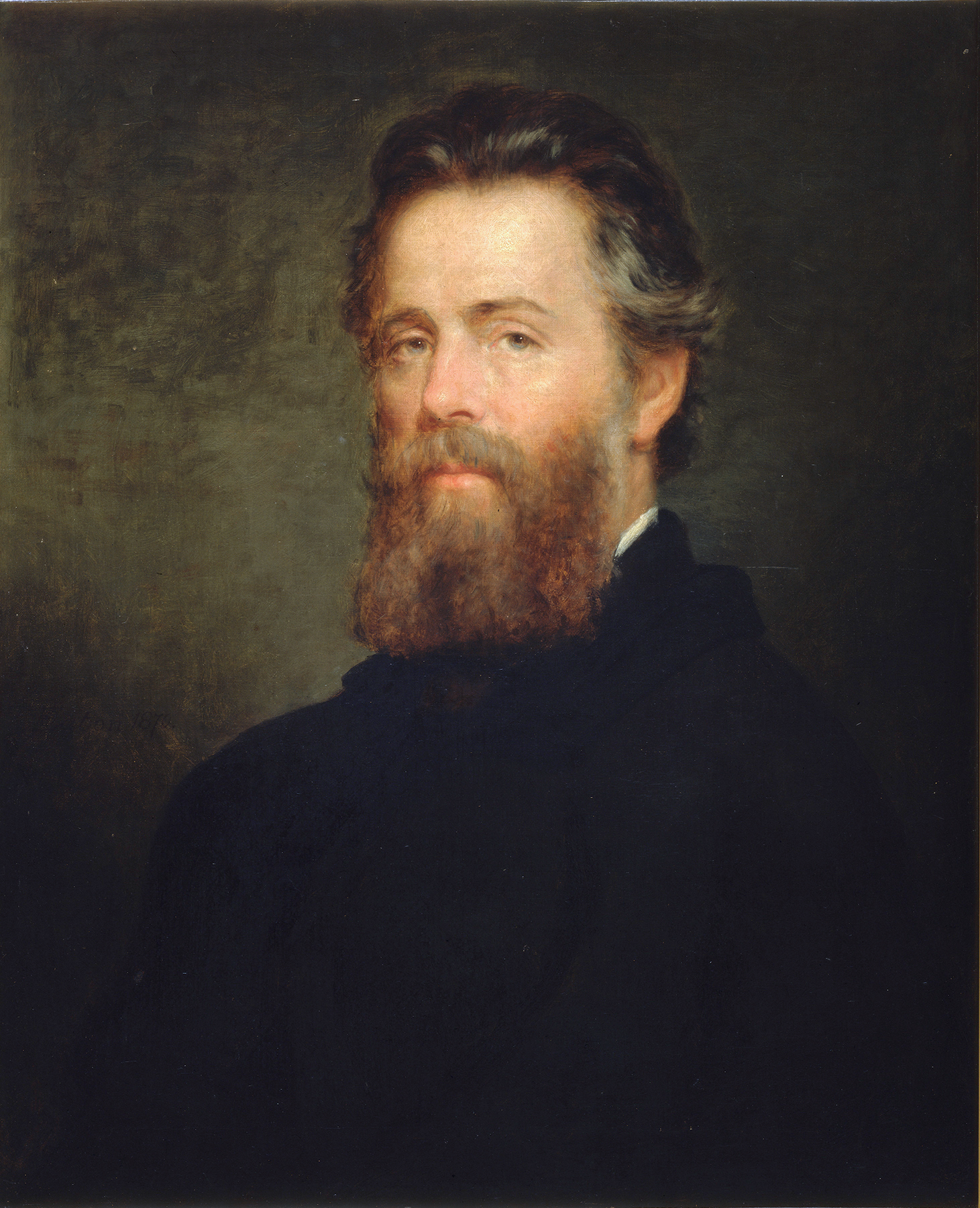
Herman Melville libro Moby Dick
Fuente: Moby-Dick. Cap. «El funeral», 1851.
Herman Melville libro Moby Dick
Fuente: Moby-Dick. Cap. «El doblón», 1851.
Herman Melville libro Moby Dick
Fuente: Moby-Dick. Cap. «El abogado», 1851.
Herman Melville libro Moby Dick
Moby Dick
Herman Melville libro Moby Dick
Fuente: Moby-Dick. Cap. «La hiena», 1851.
Herman Melville libro Moby Dick
Moby-Dick or, The Whale
Herman Melville libro Moby Dick
Moby Dick
Herman Melville libro Moby Dick
Fuente: Moby-Dick, 1851 (primera frase de la novela).
Herman Melville libro Moby Dick
Moby-Dick or, The Whale
“Existen empresas en las cuales el verdadero método lo constituyen un cierto y cuidadoso desorden.”
Herman Melville libro Moby Dick
Fuente: Moby-Dick. Cap. «La gloria y el honor de las pesquerías de ballenas», 1851.
Herman Melville libro Moby Dick
Fuente: Moby-Dick. Cap. «¿Disminuye la magnitud de la ballena? ¿Está condenada a desaparecer?», 1851.
Herman Melville libro Moby Dick
Fuente: Moby-Dick. Cap. «Espejismos», 1851.
Herman Melville libro Moby Dick
Fuente: Moby-Dick. Cap. «Nantucket», 1851.
Herman Melville libro Moby Dick
Fuente: Moby-Dick. Cap. «El alcázar», 1851.
Herman Melville libro Moby Dick
Moby Dick
Herman Melville libro Moby Dick
Moby Dick
Fuente: The Confidence-Man: His Masquerade (1857), Ch. 5
Herman Melville libro Benito Cereno
Benito Cereno, Putnam's Monthly ( October 1855 http://books.google.com/books?id=TlYAAAAAYAAJ&q=%22In+armies+navies+cities+or+families+in+nature+herself+nothing+more+relaxes+good+order+than+misery%22&pg=PA356#v=onepage)
Herman Melville libro Pierre: or, The Ambiguities
Bk. V, ch. 7
Pierre: or, The Ambiguities (1852)
Herman Melville libro Billy Budd, Sailor
Fuente: Billy Budd, the Sailor (1891), Ch. 21
Herman Melville libro White-Jacket
Fuente: White-Jacket (1850), Ch. 41
“Many sensible things banished from high life find an asylum among the mob.”
Herman Melville libro White-Jacket
Fuente: White-Jacket (1850), Ch. 7
Letter to Samuel Savage (24 August 1851), as published in The Writings of Herman Melville : The Northwestern-Newberry Edition (1993), edited by Lynn Horth, Vol. 14, p. 203
“Nothing so aggravates an earnest person as a passive resistance.”
Herman Melville libro Bartleby, the Scrivener
Bartleby, the Scrivener (1853)
Herman Melville libro Pierre: or, The Ambiguities
Bk. XXV, ch. 4
Pierre: or, The Ambiguities (1852)
Timoleon, Fragments of a Lost Gnostic Poem of the Twelfth Century, Fragment 2
Herman Melville libro White-Jacket
Fuente: White-Jacket (1850), Ch. 1, First lines
Since at least 1954 this has also been published at times as "Truth is forced to fly like a sacred white doe…", apparently a typographical error.
Hawthorne and His Mosses (1850)
“You must have plenty of sea-room to tell the truth in.”
Hawthorne and His Mosses (1850)
Herman Melville libro Billy Budd, Sailor
This statement is usually attributed entirely to Melville, but the way he presents it in the story indicates that he might be quoting a lesser known author.
Fuente: Billy Budd, the Sailor (1891), Ch. 21
Herman Melville libro White-Jacket
Fuente: White-Jacket (1850), Ch. 27
Herman Melville libro Billy Budd, Sailor
Fuente: Billy Budd, the Sailor (1891), Ch. 24
“It is hard to be finite upon an infinite subject, and all subjects are infinite.”
Hawthorne and His Mosses (1850)
Letter to Nathaniel Hawthorne (July 1851); published in Memories of Hawthorne (1897) by Rose Hawthorne Lathrop, p. 158
Hawthorne and His Mosses (1850)
I would to God Shakspeare had lived later, & promenaded in Broadway. Not that I might have had the pleasure of leaving my card for him at the Astor, or made merry with him over a bowl of the fine Duyckinck punch; but that the muzzle which all men wore on their soul in the Elizebethan day, might not have intercepted Shakspers full articulations. For I hold it a verity, that even Shakspeare, was not a frank man to the uttermost. And, indeed, who in this intolerant universe is, or can be? But the Declaration of Independence makes a difference.—There, I have driven my horse so hard that I have made my inn before sundown.
Letter to Evert Augustus Duyckinck (3 March 1849); published in The Letters of Herman Melville (1960) edited by Merrell R. Davis and William H. Gilman, p. 79
“The drama's done. Why then here does any one step forth?”
Because one did survive the wreck.
Epilogue
Moby-Dick: or, the Whale (1851)


