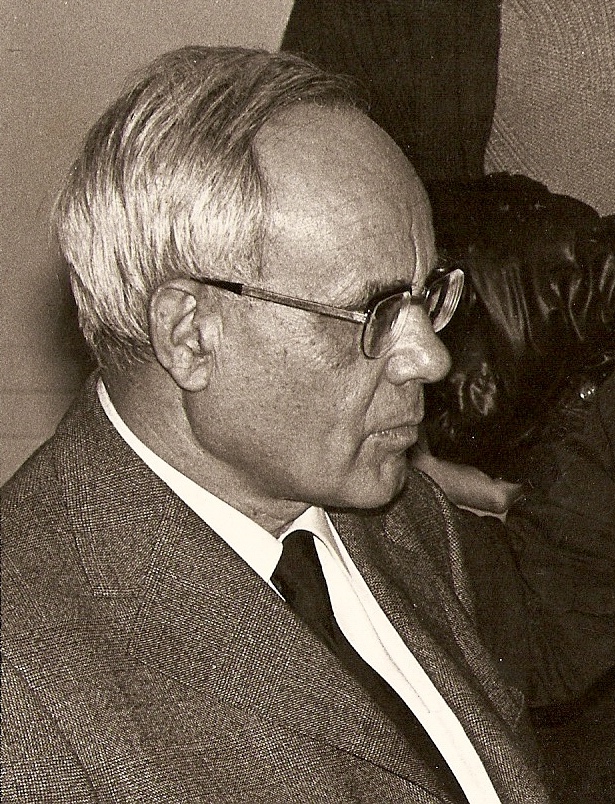
Karl Rahner: Frases en inglés
“When man is with God in awe and love, then he is praying.”
Fuente: The Need and the Blessing of Prayer
Meditations on the Sacraments (1977), Introduction, p. xi.
Contexto: Grace is everywhere as an active orientation of all created reality toward God, though God does not owe it to any creature to give it this special orientation. Grace does not happen in isolated instances here and there in an otherwise profane and graceless world. It is legitimate, of course, to speak of grace-events which occur at discrete points in space and time. But then what we are really talking about is the existential and historical acceptance of this grace by human freedom. … Grace itself … is everywhere and always, even though a human being's freedom can sinfully say no to it, just as a human being's freedoms can protest against humankind itself. This immanence of grace in the conscious world always and everywhere does not take away the gratuity of grace, because God's immediacy out of self-giving love is not something anyone can claim as his or her due. The immanence of grace always and everywhere does not make salvation history cease to be history, because history is the acceptance of grace by the historical freedom of human beings and the history of spirit coming ever more to itself in grace.
Meditations on the Sacraments (1977), Introduction, p. xi.
Contexto: Grace is everywhere as an active orientation of all created reality toward God, though God does not owe it to any creature to give it this special orientation. Grace does not happen in isolated instances here and there in an otherwise profane and graceless world. It is legitimate, of course, to speak of grace-events which occur at discrete points in space and time. But then what we are really talking about is the existential and historical acceptance of this grace by human freedom. … Grace itself … is everywhere and always, even though a human being's freedom can sinfully say no to it, just as a human being's freedoms can protest against humankind itself. This immanence of grace in the conscious world always and everywhere does not take away the gratuity of grace, because God's immediacy out of self-giving love is not something anyone can claim as his or her due. The immanence of grace always and everywhere does not make salvation history cease to be history, because history is the acceptance of grace by the historical freedom of human beings and the history of spirit coming ever more to itself in grace.


