“Never go to bed angry, stay up and fight.”
Phyllis Diller, as quoted in Getting Through to the Man You Love : The No-Nonsense, No-Nagging Guide for Women (1999) by Michele Weiner-Davis, p. 151
Misattributed
William Congreve fue un dramaturgo y poeta inglés. Estudió derecho en el Trinity College de Dublín donde conoció a Jonathan Swift de quien fue amigo durante toda su vida. Tras diplomarse, se interesó por el mundo de la literatura y se convirtió en ferviente discípulo de John Dryden. Es uno de los más destacados autores de comedia de la Restauración.
Escribió algunas de las piezas teatrales más populares de la literatura de la Restauración inglesa. Con apenas treinta años, había escrito numerosas obras destacadas como Love for Love o The Way of the World .
Sin embargo, su carrera terminó tan rápido como empezó. Tras escribir cinco piezas entre 1693 y 1700, dejó de escribir a causa de la evolución en los gustos del público, que se mostraban menos favorables a las comedias de temas sexualmente explícitos de las que Congreve era especialista. Fue uno de los dramaturgos más atacados por el obispo Jeremy Collier en su pamfleto A Short View of the Immorality and Profaneness of the English Stage hasta el punto que le dirigió una larga respuesta titulada Amendments of Mr. Collier's False and Imperfect Citations.
Miembro del partido whig, Congreve se interesó por el tema político y ocupó algunos cargos menores. Al padecer gota, se retiró definitivamente del teatro y vivió hasta su muerte con escasos recursos provenientes de sus primeras obras, que completó con algunas traducciones. Murió en Londres en un accidente y está enterrado en la abadía de Westminster.
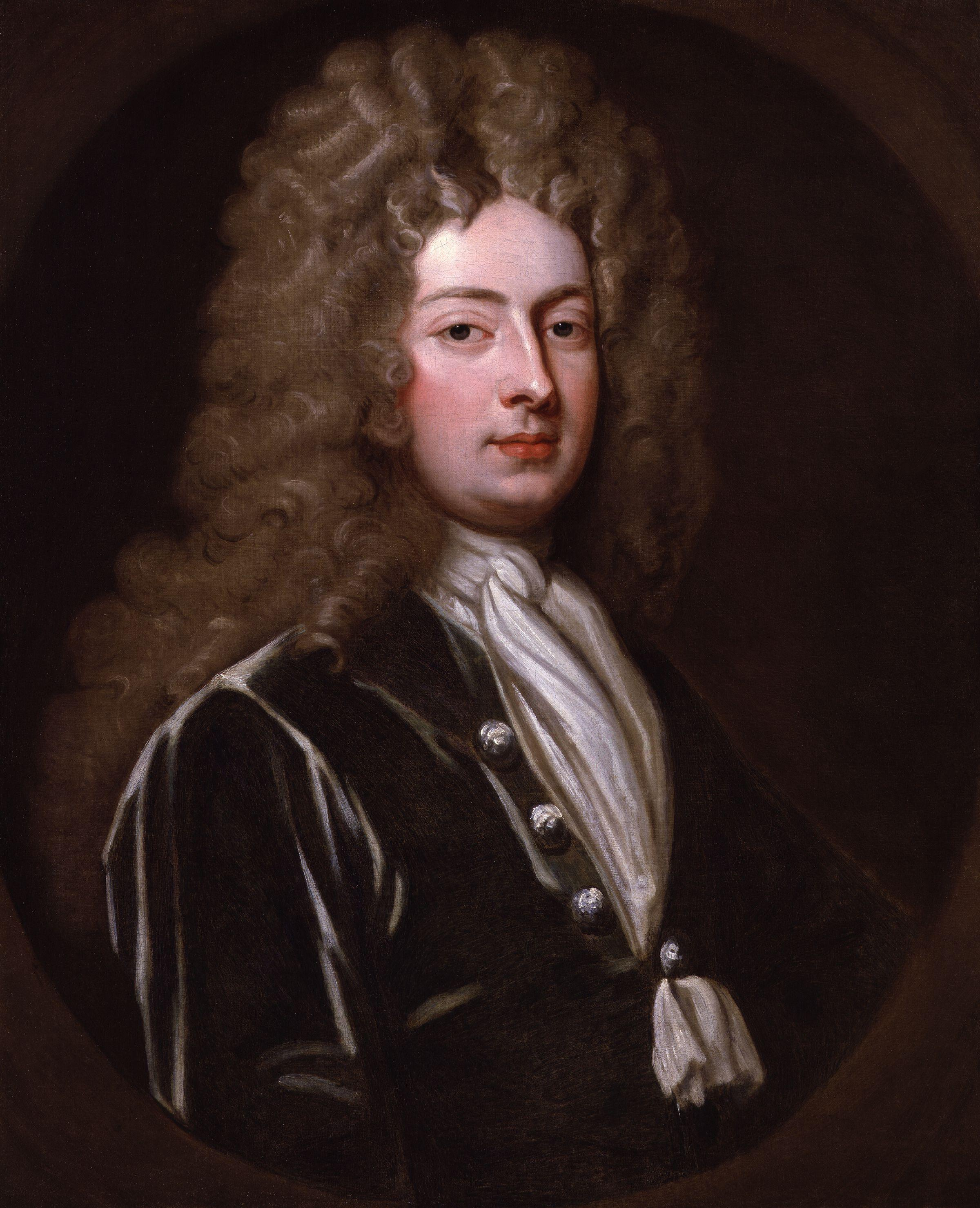
“Never go to bed angry, stay up and fight.”
Phyllis Diller, as quoted in Getting Through to the Man You Love : The No-Nonsense, No-Nagging Guide for Women (1999) by Michele Weiner-Davis, p. 151
Misattributed
“Heav'n has no Rage, like Love to Hatred turn'd,
Nor Hell a Fury, like a Woman scorn'd.”
William Congreve The Mourning Bride
Act III, scene viii; often paraphrased: "Hell hath no fury like a woman scorned". A similar line occurs in Love's Last Shift, by Colley Cibber, act iv.: "We shall find no fiend in hell can match the fury of a disappointed woman".
The Mourning Bride (1697)
Variante: Heaven has no rage like love to hatred turned,
Nor hell a fury like a woman scorned.
Contexto: Vile and ingrate! too late thou shalt repent
The base Injustice thou hast done my Love:
Yes, thou shalt know, spite of thy past Distress,
And all those Ills which thou so long hast mourn'd;
Heav'n has no Rage, like Love to Hatred turn'd,
Nor Hell a Fury, like a Woman scorn'd.
“Thus grief still treads upon the heels of pleasure;
Married in haste, we may repent at leisure.”
William Congreve The Old Bachelor
Act V, scene viii. Compare: "Who wooed in haste, and means to wed at leisure", William Shakespeare, The Taming of the Shrew, Act iii, scene 2
The Old Bachelor (1693)
“Musick has Charms to sooth a savage Breast,
To soften Rocks, or bend a knotted Oak.”
William Congreve The Mourning Bride
Act I, scene i; the first lines of this passage are often rendered in modern spelling as "Music has charms to soothe a savage breast", or misquoted as: "Music hath charms to soothe the savage beast".
The Mourning Bride (1697)
Contexto: Musick has Charms to sooth a savage Breast,
To soften Rocks, or bend a knotted Oak.
I've read, that things inanimate have mov'd,
And, as with living Souls, have been inform'd,
By Magick Numbers and persuasive Sound.
What then am I? Am I more senseless grown
Than Trees, or Flint? O force of constant Woe!
'Tis not in Harmony to calm my Griefs.
Anselmo sleeps, and is at Peace; last Night
The silent Tomb receiv'd the good Old King;
He and his Sorrows now are safely lodg'd
Within its cold, but hospitable Bosom.
Why am not I at Peace?
“Women are like tricks by sleight of hand,
Which, to admire, we should not understand.”
William Congreve Love for Love
Act IV, scene iii
Love for Love (1695)
“Say what you will, 'tis better to be left than never to have been loved.”
William Congreve The Way of the World
Act II, scene i. Precedent for Alfred Tennyson's more famous: "'Tis better to have loved and lost than never to have loved at all"
The Way of the World (1700)
William Congreve The Way of the World
Act IV, scene v
The Way of the World (1700)
“Thou liar of the first magnitude.”
William Congreve Love for Love
Act II, scene ii
Love for Love (1695)
Variante: Ferdinand Mendez Pinto was but a type of thee, thou liar of the first magnitude.
“I came up stairs into the world, for I was born in a cellar.”
William Congreve Love for Love
Act II, scene vii; comparable to: "Born in a cellar, and living in a garret", Samuel Foote, The Author, act 2; "Born in the garret, in the kitchen bred", Lord Byron, A Sketch
Love for Love (1695)
“Invention flags, his brain goes muddy,
And black despair succeeds brown study.”
"An Impossible Thing", line 105 (1720)
“Love's but a frailty of the mind,
When 'tis not with ambition joined.”
William Congreve The Way of the World
Act III, scene xii
The Way of the World (1700)
“Retired to their tea and scandal, according to their ancient custom.”
William Congreve The Double Dealer
Act I, scene i
The Double Dealer (1694)
“If there's delight in love, 'tis when I see
That heart which others bleed for, bleed for me.”
William Congreve The Way of the World
Act III, scene xii http://books.google.com/books?id=2LQNAAAAQAAJ&q=%22If+there's+delight+in+love+tis+when+I%22+%22That+heart+which+others+bleed+for+bleed+for+me%22&pg=PA34#v=onepage <br class="br">The Way of the World (1700)
“For blessings ever wait on virtuous deeds,
And though a late, a sure reward succeeds.”
William Congreve The Mourning Bride
Act V, scene 12
The Mourning Bride (1697)
“Defer not till tomorrow to be wise,
Tomorrow's sun to thee may never rise.”
"Letter to Cobham", line 61. Compare: "Be wise to-day, 't is madness to defer", Edward Young, Night Thoughts, Night i. line 390
“Eternity was in that moment.”
William Congreve The Old Bachelor
Act IV, scene vii
The Old Bachelor (1693)
“I find we are growing serious, and then we are in great danger of being dull.”
William Congreve The Old Bachelor
Act II, scene vii
The Old Bachelor (1693)
“I nauseate walking; 'tis a country diversion, I loathe the country.”
William Congreve The Way of the World
Act IV, scene v
The Way of the World (1700)
Incognita: Or, Love and Duty Reconcil'd (1692)
William Congreve The Old Bachelor
Act I, scene iii
The Old Bachelor (1693)
“Uncertainty and expectation are the joys of life. Security is an insipid thing.”
William Congreve Love for Love
Act IV, scene xx
Love for Love (1695)
“I know that's a secret, for it's whispered every where.”
William Congreve Love for Love
Act III, scene iii
Love for Love (1695)
“Hannibal was a very pretty fellow in those days.”
William Congreve The Old Bachelor
Act II, scene 2
The Old Bachelor (1693)
“Though marriage makes man and wife one flesh, it leaves 'em still two fools.”
William Congreve The Double Dealer
Act II, scene iii
The Double Dealer (1694)
“O fie, miss, you must not kiss and tell.”
William Congreve Love for Love
Act II, scene x
Love for Love (1695)
“If this be not love, it is madness, and then it is pardonable.”
William Congreve The Old Bachelor
Act IV, scene x
The Old Bachelor (1693)
William Congreve Love for Love
Act V, scene iii
Love for Love (1695)
“I warrant you, if he danced till doomsday, he thought I was to pay the piper.”
William Congreve Love for Love
Act II, scene ii
Love for Love (1695)
“Men are apt to offend ('tis true) where they find most goodness to forgive.”
William Congreve The Old Bachelor
Act IV, scene xi
The Old Bachelor (1693)


