“La cultura es un adorno en la prosperidad y un refugio en la adversidad.”
Fuente: Palomo Triguero, Eduardo. Cita-logía. Editorial Punto Rojo Libros,S.L. ISBN 978-84-16068-10-4. p. 83.
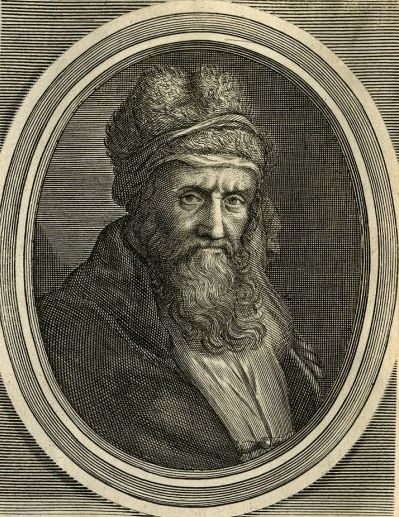
Diógenes Laercio fue un importante historiador griego de filosofía clásica que, se cree, nació en el siglo III d. C., durante el reinado de Alejandro Severo.[1] Se le considera un gran doxógrafo, esto es, un autor que, sin una filosofía propia, recoge por escrito la biografía, las vicisitudes, las anécdotas, las opiniones y las teorías de otros, a los que considera ilustres. Wikipedia
“La cultura es un adorno en la prosperidad y un refugio en la adversidad.”
Fuente: Palomo Triguero, Eduardo. Cita-logía. Editorial Punto Rojo Libros,S.L. ISBN 978-84-16068-10-4. p. 83.
Fuente: Palomo Triguero, Eduardo. Cita-logía. Editorial Punto Rojo Libros,S.L. ISBN 978-84-16068-10-4. p. 57.
Fuente: Jiménez, Chal. Marca la diferencia: Porque tú lo vales. Editorial ESIC Editorial, 2014. ISBN 9788473566520. p. 157.
“La cultura es un saber del que no tiene uno que acordarse… fluye espontáneamente.”
Fuente: Sarmiento, J. M. Mil y una frases célebres. Editorial Planet House Editorials, 2016.
“Para casarte, cuando joven es temprano y cuando viejo es tarde.”
Fuente: Las mejores citas de provocación / Best provocation sayings: contra todo y contra todos. Coña fina. Autor y editor Samuel Red. Editorial Grasindo, 2008. ISBN 9788479277802. p. 89.
Zeno, 68.
The Lives and Opinions of Eminent Philosophers (c. 200 A.D.), Book 7: The Stoics
“It takes a wise man to discover a wise man.”
Xenophanes, 3.
The Lives and Opinions of Eminent Philosophers (c. 200 A.D.), Book 9: Uncategorized philosophers and Skeptics
122, in Moral Exhortation (1986), p. 33
The Lives and Opinions of Eminent Philosophers (c. 200 A.D.), Book 10: Epicurus
“He said that there was one only good, namely, knowledge; and one only evil, namely, ignorance.”
Socrates, 14.
The Lives and Opinions of Eminent Philosophers (c. 200 A.D.), Book 2: Socrates, his predecessors and followers
“Another was, "Watch your opportunity."”
Pittacus, 7.
The Lives and Opinions of Eminent Philosophers (c. 200 A.D.), Book 1: The Seven Sages
Antisthenes, 4.
The Lives and Opinions of Eminent Philosophers (c. 200 A.D.), Book 6: The Cynics
Pittacus, 3.
The Lives and Opinions of Eminent Philosophers (c. 200 A.D.), Book 1: The Seven Sages
“Plato was continually saying to Xenocrates, "Sacrifice to the Graces."”
Xenocrates, 3.
The Lives and Opinions of Eminent Philosophers (c. 200 A.D.), Book 4: The Academy
“The market is a place set apart where men may deceive each other.”
Anacharsis, 5.
The Lives and Opinions of Eminent Philosophers (c. 200 A.D.), Book 2: Socrates, his predecessors and followers
“Another of his sayings was, that education was the best viaticum of old age.”
Aristotle, 9.
The Lives and Opinions of Eminent Philosophers (c. 200 A.D.), Book 5: The Peripatetics
Aristotle, 13.
The Lives and Opinions of Eminent Philosophers (c. 200 A.D.), Book 5: The Peripatetics
“He used to define justice as "a virtue of the soul distributing that which each person deserved."”
Aristotle, 9.
The Lives and Opinions of Eminent Philosophers (c. 200 A.D.), Book 5: The Peripatetics
“He has not acquired a fortune; the fortune has acquired him.”
Bion, 50.
The Lives and Opinions of Eminent Philosophers (c. 200 A.D.), Book 4: The Academy
Anaxagoras, 6.
The Lives and Opinions of Eminent Philosophers (c. 200 A.D.), Book 2: Socrates, his predecessors and followers
Bion, 3.
The Lives and Opinions of Eminent Philosophers (c. 200 A.D.), Book 4: The Academy
“The road to Hades is the easiest to travel.”
Bion, 49.
The Lives and Opinions of Eminent Philosophers (c. 200 A.D.), Book 4: The Academy
Anarcharsis, 5.
The Lives and Opinions of Eminent Philosophers (c. 200 A.D.), Book 2: Socrates, his predecessors and followers
“Plato affirmed that the soul was immortal and clothed in many bodies successively.”
Plato, 40.
The Lives and Opinions of Eminent Philosophers (c. 200 A.D.), Book 3: Plato
“Socrates said, "Those who want fewest things are nearest to the gods."”
Socrates, 11.
The Lives and Opinions of Eminent Philosophers (c. 200 A.D.), Book 2: Socrates, his predecessors and followers
Pyrrho, 11.
The Lives and Opinions of Eminent Philosophers (c. 200 A.D.), Book 9: Uncategorized philosophers and Skeptics
“Asked from what country he came, he replied, "I am a citizen of the world."”
Diogenes, 6.
The Lives and Opinions of Eminent Philosophers (c. 200 A.D.), Book 6: The Cynics
“He used to say that other men lived to eat, but that he ate to live.”
Socrates, 16.
The Lives and Opinions of Eminent Philosophers (c. 200 A.D.), Book 2: Socrates, his predecessors and followers
“When asked what wine he liked to drink, he replied, "That which belongs to another."”
Diogenes, 6.
The Lives and Opinions of Eminent Philosophers (c. 200 A.D.), Book 6: The Cynics
Pyrrho, 9.
The Lives and Opinions of Eminent Philosophers (c. 200 A.D.), Book 9: Uncategorized philosophers and Skeptics
“Epicurus laid down the doctrine that pleasure was the chief good.”
Epicurus, 6.
The Lives and Opinions of Eminent Philosophers (c. 200 A.D.), Book 10: Epicurus
Pherecydes, 2.
The Lives and Opinions of Eminent Philosophers (c. 200 A.D.), Book 2: Socrates, his predecessors and followers
Pythagoras, 4.
The Lives and Opinions of Eminent Philosophers (c. 200 A.D.), Book 8: Pythagoras and the Pythagoreans
Diogenes, 6.
The Lives and Opinions of Eminent Philosophers (c. 200 A.D.), Book 6: The Cynics
“Xenophanes speaks thus:
And no man knows distinctly anything,
And no man ever will.”
Pyrrho, 8.
The Lives and Opinions of Eminent Philosophers (c. 200 A.D.), Book 9: Uncategorized philosophers and Skeptics
Diogenes, 6.
The Lives and Opinions of Eminent Philosophers (c. 200 A.D.), Book 6: The Cynics


