James Thomson (poet) The Castle of Indolence
Canto I, Stanza 17.
The Castle of Indolence (1748)
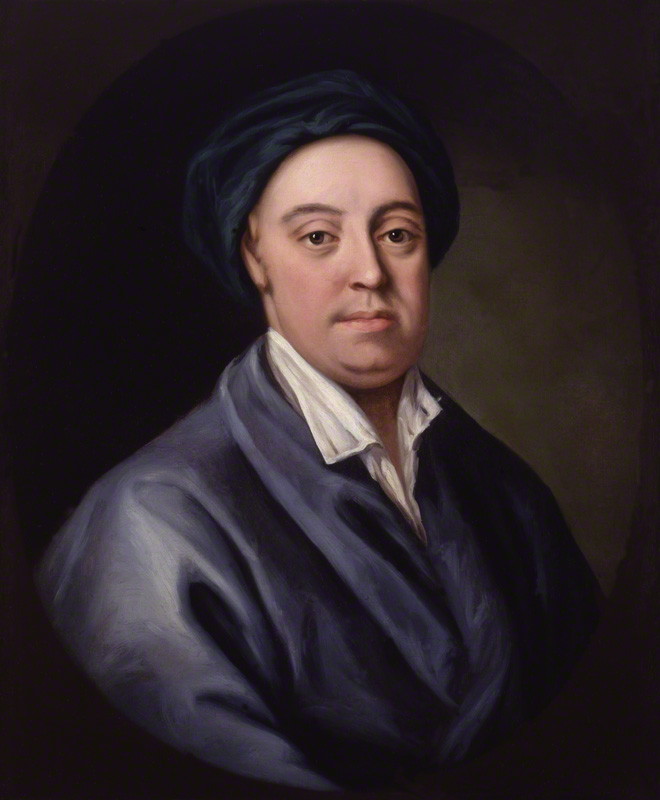
James Thomson fue un poeta y dramaturgo escocés.
Estudió en la Universidad de Edimburgo. Siendo estudiante, publicó sus primeros poemas, sobre el Jed Valley donde había crecido. Pertenece a la escuela escocesa. Es uno de los poetas más inspirados. En su lírica, describe el paisaje que lo rodea, así como los sentimientos humanos.[1]
Su obra más destacada es el poema «Las Estaciones» , en el que describe cada estación y las evocaciones sentimentales que le sugieren. Están dedicadas a George Lyttelton. Una disputa sobre los derechos de publicación de esta obra originó dos importantes decisiones legales en la historia de los derechos de autor: Millar v. Taylor y Donaldson v. Beckett.[2]
James Thomson (poet) The Castle of Indolence
Canto I, Stanza 17.
The Castle of Indolence (1748)
James Thomson (poet) The Seasons
Fuente: The Seasons (1726-1730), Autumn (1730), l. 1-3.
James Thomson (poet) The Castle of Indolence
Canto I, Stanza 6.
The Castle of Indolence (1748)
“But yonder comes the powerful king of day,
Rejoicing in the east.”
James Thomson (poet) The Seasons
Fuente: The Seasons (1726-1730), Summer (1727), l. 81.
“Sighed and looked unutterable things.”
James Thomson (poet) The Seasons
Fuente: The Seasons (1726-1730), Summer (1727), l. 1188.
“A little, round, fat, oily man of God.”
James Thomson (poet) The Castle of Indolence
Canto I, Stanza 69.
The Castle of Indolence (1748)
James Thomson (poet) The Castle of Indolence
Canto II, Stanza 3.
The Castle of Indolence (1748)
“Who stemm'd the torrent of a downward age.”
James Thomson (poet) The Seasons
Fuente: The Seasons (1726-1730), Summer (1727), l. 1515.
“But who can paint
Like Nature? Can imagination boast,
Amid its gay creation, hues like hers?”
James Thomson (poet) The Seasons
Fuente: The Seasons (1726-1730), Spring (1728), l. 465.
James Thomson (poet) The Seasons
Fuente: The Seasons (1726-1730), Summer (1727), l. 1346.
“They who are pleased themselves must always please.”
James Thomson (poet) The Castle of Indolence
Canto I, Stanza 15.
The Castle of Indolence (1748)
“From seeming evil still educing good.”
Fuente: Hymn (1730), line 114.
James Thomson (poet) The Seasons
Fuente: The Seasons (1726-1730), Spring (1728), l. 71-73.
“Come, gentle Spring! ethereal mildness, come.”
James Thomson (poet) The Seasons
Fuente: The Seasons (1726-1730), Spring (1728), l. 1.
“For still the world prevail'd, and its dread laugh,
Which scarce the firm philosopher can scorn.”
James Thomson (poet) The Seasons
Fuente: The Seasons (1726-1730), Autumn (1730), l. 233.
James Thomson (poet) The Seasons
Fuente: The Seasons (1726-1730), Spring (1728), l. 1158-1161.
“The kiss, snatch'd hasty from the sidelong maid.”
James Thomson (poet) The Seasons
Fuente: The Seasons (1726-1730), Winter (1726), l. 625.
“Poor is the triumph o’er the timid hare!
Scared from the corn, and now to some lone seat
Retired”
James Thomson (poet) The Seasons
Fuente: The Seasons (1726-1730), Autumn (1730), l. 71-73.
James Thomson (poet) The Castle of Indolence
Canto I, Stanza 68. (Last line said to be "writ by a friend of the author.").
The Castle of Indolence (1748)
“Amid the roses fierce Repentance rears
Her snaky crest.”
James Thomson (poet) The Seasons
Fuente: The Seasons (1726-1730), Spring (1728), l. 996.
James Thomson (poet) The Seasons
Fuente: The Seasons (1726-1730), Summer (1727), l. 1752.
“See, Winter comes to rule the varied year,
Sullen and sad.”
James Thomson (poet) The Seasons
Fuente: The Seasons (1726-1730), Winter (1726), l. 1.
“A lucky chance, that oft decides the fate
Of mighty monarchs.”
James Thomson (poet) The Seasons
Fuente: The Seasons (1726-1730), Summer (1727), l. 1285.
“The meek-ey'd Morn appears, mother of dews.”
James Thomson (poet) The Seasons
Fuente: The Seasons (1726-1730), Summer (1727), l. 47.
“Falsely luxurious, will not man awake?”
James Thomson (poet) The Seasons
Fuente: The Seasons (1726-1730), Summer (1727), l. 67.
“Welcome, kindred glooms!
Congenial horrors, hail!”
James Thomson (poet) The Seasons
Fuente: The Seasons (1726-1730), Winter (1726), l. 5-6.
“He ceased; but still their trembling ears retained
The deep vibrations of his witching song.”
James Thomson (poet) The Castle of Indolence
Canto I, Stanza 20.
The Castle of Indolence (1748)
“Base Envy withers at another’s joy,
And hates that excellence it cannot reach.”
James Thomson (poet) The Seasons
Fuente: The Seasons (1726-1730), Spring (1728), l. 283.
James Thomson (poet) The Castle of Indolence
Canto I, Stanza 26.
The Castle of Indolence (1748)
Coriolanus, Act iii, scene 3; reported in Bartlett's Familiar Quotations, 10th ed. (1919).


