“Me sentía sabia y cínica como el infierno.”
Sylvia Plath libro La campana de cristal
La campana de cristal
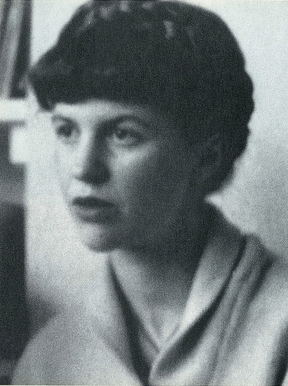
Sylvia Plath fue una escritora estadounidense especialmente conocida como poetisa. También fue autora de obras en prosa, la novela semiautobiográfica La campana de cristal , relatos y ensayos.
Junto con Anne Sexton, Plath es reconocida como una de las principales cultivadoras del género de la poesía confesional iniciado por Robert Lowell y W. D. Snodgrass.
Estuvo casada con el escritor Ted Hughes, quien tras su muerte se encargó de la edición de su poesía completa.
“Me sentía sabia y cínica como el infierno.”
Sylvia Plath libro La campana de cristal
La campana de cristal
Sylvia Plath libro La campana de cristal
The Bell Jar
“Si uno no espera nada de alguien nunca se siente desilusionado.”
Sylvia Plath libro La campana de cristal
La campana de cristal
Sylvia Plath libro La campana de cristal
The Bell Jar
“¿Quién es este terrible muchacho azul, extraño y
brillante, como caído de una estrella?”
Drei Frauen: Ein Gedicht für drei Stimmen
“Era demasiado tarde
y su rostro se tornó más nítido,
amoroso, como si yo estuviera lista.”
Drei Frauen: Ein Gedicht für drei Stimmen
Sylvia Plath libro La campana de cristal
The Bell Jar
Sylvia Plath libro La campana de cristal
The Bell Jar
Sylvia Plath libro La campana de cristal
The Bell Jar
Sylvia Plath libro La campana de cristal
The Bell Jar
Sylvia Plath libro La campana de cristal
The Bell Jar
Sylvia Plath libro La campana de cristal
The Bell Jar
Fuente: The Unabridged Journals of Sylvia Plath
Sylvia Plath libro La campana de cristal
Fuente: The Bell Jar (1963), Ch. 15
Fuente: Johnny Panic and the Bible of Dreams: Short Stories, Prose and Diary Excerpts
“The worst enemy to creativity is self-doubt.”
Fuente: The Unabridged Journals of Sylvia Plath
Fuente: The Unabridged Journals of Sylvia Plath
“Out of the ash
I rise with my red hair
and I eat men like air.”
"Lady Lazarus"
Ariel (1965)
Variante: p>Herr God, Herr Lucifer,
Beware.
Beware.Out of the ash
I rise with my red hair
And I eat men like air.</p
Fuente: Ariel: The Restored Edition
Fuente: The Unabridged Journals of Sylvia Plath
Sylvia Plath libro La campana de cristal
Variante: It was comforting to know I had fallen and could fall no farther.
Fuente: The Bell Jar
“How frail the human heart must be —
a mirrored pool of thought.”
Fuente: "I Thought I Could Not Be Hurt," quoted in the introduction to Letters Home: Correspondence 1950–1963 (1975) as Plath's first poem, written at age 14
“I thought a spectacular change would come over me the day I crossed the boundary line.”
Sylvia Plath libro La campana de cristal
Fuente: The Bell Jar (1963), Ch. 7
Contexto: Instead of the world being divided up into Catholics and Protestants or Republicans and Democrats or white men and black men or even men and women, I saw the world divided into people who had slept with somebody and people who hadn't, and this seemed the only really significant difference between one person and another. I thought a spectacular change would come over me the day I crossed the boundary line.
Sylvia Plath libro La campana de cristal
Fuente: The Bell Jar
Fuente: The Unabridged Journals of Sylvia Plath
Sylvia Plath libro La campana de cristal
Fuente: The Bell Jar
“How can you be so many women to so many strange people, oh you strange girl?”
Fuente: The Unabridged Journals of Sylvia Plath
“I am sure there are things that can't be cured by a good bath but I can't think of one.”
Sylvia Plath libro La campana de cristal
Fuente: The Bell Jar
Sylvia Plath libro La campana de cristal
Fuente: The Bell Jar
Sylvia Plath libro La campana de cristal
Fuente: The Bell Jar
“I have taken a pill to kill
The thin
Papery feeling.”
Fuente: Ariel: The Restored Edition
Sylvia Plath libro La campana de cristal
Fuente: The Bell Jar
“The blood of love welled up in my heart with a slow pain.”
1950-07-17 http://books.guardian.co.uk/firstchapters/story/0,6761,222716,00.html <br class="br">The Unabridged Journals of Sylvia Plath (2000) <br class="br">Fuente: The Unabridged Journals of Sylvia Plath


