“Me sentía sabia y cínica como el infierno.”
Sylvia Plath libro La campana de cristal
La campana de cristal
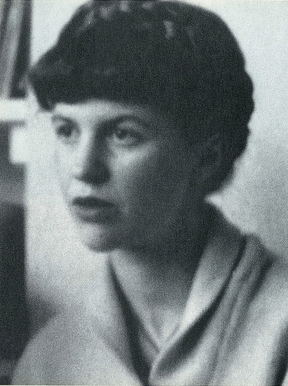
Sylvia Plath fue una escritora estadounidense especialmente conocida como poetisa. También fue autora de obras en prosa, la novela semiautobiográfica La campana de cristal , relatos y ensayos.
Junto con Anne Sexton, Plath es reconocida como una de las principales cultivadoras del género de la poesía confesional iniciado por Robert Lowell y W. D. Snodgrass.
Estuvo casada con el escritor Ted Hughes, quien tras su muerte se encargó de la edición de su poesía completa.
“Me sentía sabia y cínica como el infierno.”
Sylvia Plath libro La campana de cristal
La campana de cristal
Sylvia Plath libro La campana de cristal
The Bell Jar
“Si uno no espera nada de alguien nunca se siente desilusionado.”
Sylvia Plath libro La campana de cristal
La campana de cristal
Sylvia Plath libro La campana de cristal
The Bell Jar
“¿Quién es este terrible muchacho azul, extraño y
brillante, como caído de una estrella?”
Drei Frauen: Ein Gedicht für drei Stimmen
“Era demasiado tarde
y su rostro se tornó más nítido,
amoroso, como si yo estuviera lista.”
Drei Frauen: Ein Gedicht für drei Stimmen
Sylvia Plath libro La campana de cristal
The Bell Jar
Sylvia Plath libro La campana de cristal
The Bell Jar
Sylvia Plath libro La campana de cristal
The Bell Jar
Sylvia Plath libro La campana de cristal
The Bell Jar
Sylvia Plath libro La campana de cristal
The Bell Jar
Sylvia Plath libro La campana de cristal
The Bell Jar
Sylvia Plath libro La campana de cristal
Fuente: The Bell Jar
Sylvia Plath Ariel
"Elm" http://www.angelfire.com/tn/plath/elm.html <br class="br">Fuente: Ariel (1965) <br class="br">Contexto: p>I am inhabited by a cry.<br>Nightly it flaps out<br>Looking, with its hooks, for something to love.I am terrified by this dark thing<br>That sleeps in me;<br>All day I feel its soft, feathery turnings, its malignity.</p
“I may never be happy, but tonight I am content.”
Fuente: The Unabridged Journals of Sylvia Plath
“Everything people did seemed so silly, because they only died in the end.”
Sylvia Plath libro La campana de cristal
Fuente: The Bell Jar
“It is awful to want to go away and to want to go nowhere.”
Fuente: The Unabridged Journals of Sylvia Plath
“Every woman adores a Fascist,
The boot in the face, the brute
Brute heart of a brute like you.”
Fuente: Ariel: The Restored Edition
“I could feel the winter shaking my bones and banging my teeth together.”
Sylvia Plath libro La campana de cristal
Fuente: The Bell Jar
Fuente: The Unabridged Journals of Sylvia Plath
“I have a violence in me that is hot as death-blood.”
Fuente: The Unabridged Journals of Sylvia Plath
Fuente: Johnny Panic and the Bible of Dreams: Short Stories, Prose and Diary Excerpts
“I desire the things which will destroy me in the end.”
Fuente: The Unabridged Journals of Sylvia Plath
“let me live, love, and say it well in good sentences”
Fuente: The Unabridged Journals of Sylvia Plath
“I shut my eyes and all the world drops dead;
I lift my lids and all is born again.”
Sylvia Plath libro La campana de cristal
"Mad Girl's Love Song" http://www.angelfire.com/tn/plath/madgirl.html (1953) from Collected Poems (1981) <br class="br">Variante: I shut my eyes and all the world drops dead; I lift my eyes and all is born again. <br class="br">Fuente: The Bell Jar
Variante: Then it hit me and I just blurted, 'I like people too much or not at all. I've got to go down deep, to fall into people, to really know them.
Fuente: The Unabridged Journals of Sylvia Plath
“I must get back my soul from you; I am killing my flesh without it.”
Draft of letter to Richard Sassoon (1956-03-01)
The Unabridged Journals of Sylvia Plath (2000)
Fuente: The Unabridged Journals of Sylvia Plath
“How we need another soul to cling to.”
Fuente: The Unabridged Journals of Sylvia Plath
Sylvia Plath libro La campana de cristal
Fuente: The Bell Jar (1963), Ch. 20
Sylvia Plath libro La campana de cristal
Fuente: The Bell Jar
Fuente: The Unabridged Journals of Sylvia Plath
“I don’t care about anyone, and the feeling is quite obviously mutual.”
Fuente: The Unabridged Journals of Sylvia Plath


